
Wellness Series Speaker Advocates Food Revolution
Chef-turned-author Deborah Madison says Americans need to think about the choices they make
Contact
John Finn
330-263-2145
Email

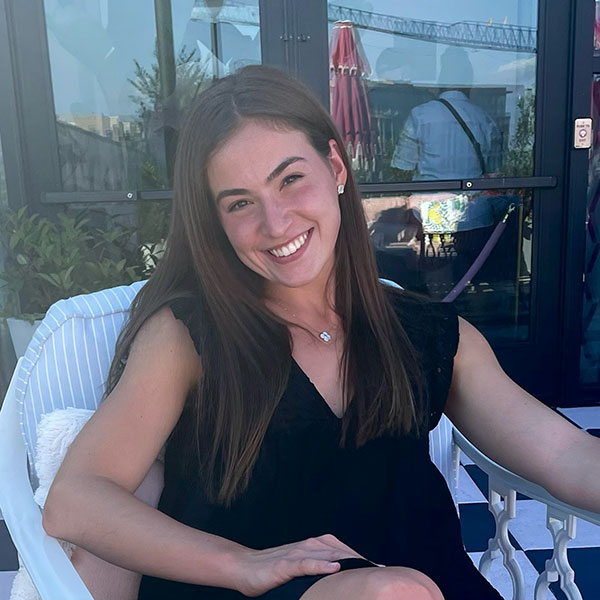
Chef-turned-author Deborah Madison spoke at the third Wellness Series lecture Tuesday night in McGaw Chapel.
WOOSTER, Ohio - The diminutive, soft-spoken Deborah Madison hardly fits the profile of rebel, but the popular chef-turned-author, did call for a revolution of sorts Tuesday night in McGaw Chapel. Speaking at the third Wellness Series lecture, Madison urged those in attendance to seriously re-evaluate the food choices they make.
"We need to look at where our food comes from," said Madison, the founding chef of San Francisco's Greens restaurant and the author of 10 cookbooks. She went on to trace the history of food in the United States with a particular emphasis on the impact of migration. "Immigrants had their own ways of eating, and they brought their traditions with them to this country," she said, "but it took a long time for Americans to accept ethnic food."
Madison pointed out that it wasn't until the food shortages created by two World Wars and the Depression that Americans began to consider other options, including meatless entrees. "People began to plant gardens at home, school, and other public venues," she said. "During these times of shortage, people were producing as much as 44 percent of the nation's produce on their own."
Another significant development in the evolution of food in the U.S. came in the mid-1970s when Craig Claiborne, food editor and critic of The New York Times,
published an international cookbook with recipes from more than 25 countries. "That really changed people's perspective on foreign cuisine," she said. "It also spawned more ethnic cookbooks."
Today, there is a much wider range of food being grown in the U.S., and plenty of diversity among those who prepare it. "You can go to a Mexican Restaurant and find that the food is prepared by Vietnamese cooks, or walk into a Jewish Deli and discover that it is run by Chinese chefs," said Madison.
This changing landscape has led Americans to become more open to different dining options, and Madison sees that as a positive development. "It's not enough to read a label and call it a meal," she said. "More and more people are taking time to cook, and they are finding that it is well worth the effort. You can actually enjoy the aroma, instead of simply waiting for the microwave to ding."
Madison also pointed out that choices people make don't have to be tied to a particular
lifestyle. "Personal values often guide the choices that people make," she said, "but one does not have to be a strict vegetarian to enjoy meatless meals."
In the end, Madison said that the more we know about the food we consume, the more we will enjoy it and the better it will be for both the consumer and the environment.